When a Stroke Happens,
Time is the Last Thing You Have to Give
Stroke symptoms aren’t always obvious. They can start small and be easy to ignore or explain away.
But the longer a stroke goes untreated, the greater the risk of permanent damage. With time, a stroke can take even more away—speech, movement, independence and future moments.
If something suddenly feels wrong,
don’t wait to be sure.
What is a stroke, and why does every minute count?
A stroke happens when blood can’t reach the brain because a blood vessel is blocked or bursts. Without blood and oxygen, brain cells can quickly become damaged or even die.
This damage can begin quickly and worsen with each passing minute. Acting fast can help limit long-term effects.
A Simple Way to Remember Signs of Stroke –
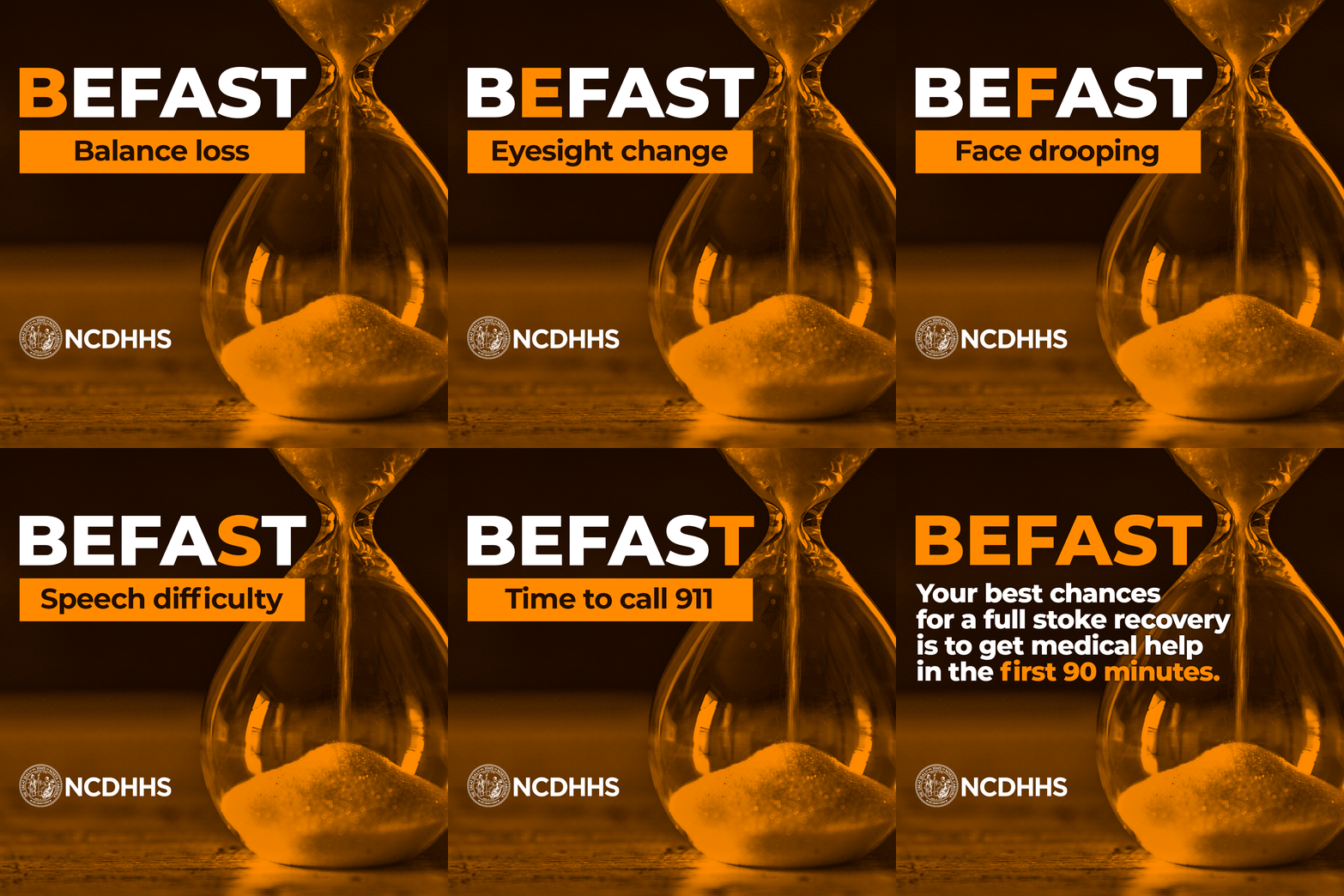
B.E. F.A.S.T.
Remember B.E. F.A.S.T. to help recognize a stroke and act quickly:
- B — Balance: Sudden trouble walking, dizziness, or loss of coordination
- E — Eyes: Sudden trouble seeing in one or both eyes
- F — Face: One side of the face droops or feels numb
- A — Arms: One arm feels weak or can’t be raised
- S — Speech: Speech is slurred or hard to understand
- T — Time: Time to call 911 right away
You don’t need to see every sign to act. If you notice even one, call 911.
What are the risk factors?
A risk factor is something that makes you more likely to have a stroke.
Risk factors you can’t control:
These risks can’t be changed—but knowing them can help you stay alert to warning signs.- Age
- Race
- Gender
- Family history
Risk factors you can control:
Managing these risks can lower your chance of having a stroke.- High blood pressure
- High cholesterol
- Diabetes
- Smoking
- Lack of exercise
How to Lower Your Risk
- Be physically active every day
- Eat a balanced diet
- Fruits and veggies: Aim for at least four servings of fruit and five servings of vegetables daily. Add different types to make your plate healthy, colorful and fun.
- Lean protein: Choose fish, poultry or lean red meat. Aim for two 3-ounce servings a day. A serving size is about the size of a deck of cards.
- Limit fatty foods and alcohol
- Maintain a healthy weight
- Quit smoking
- If you smoke, quitting can lower your stroke risk. Need help? Visit QuitlineNC for free support